

|
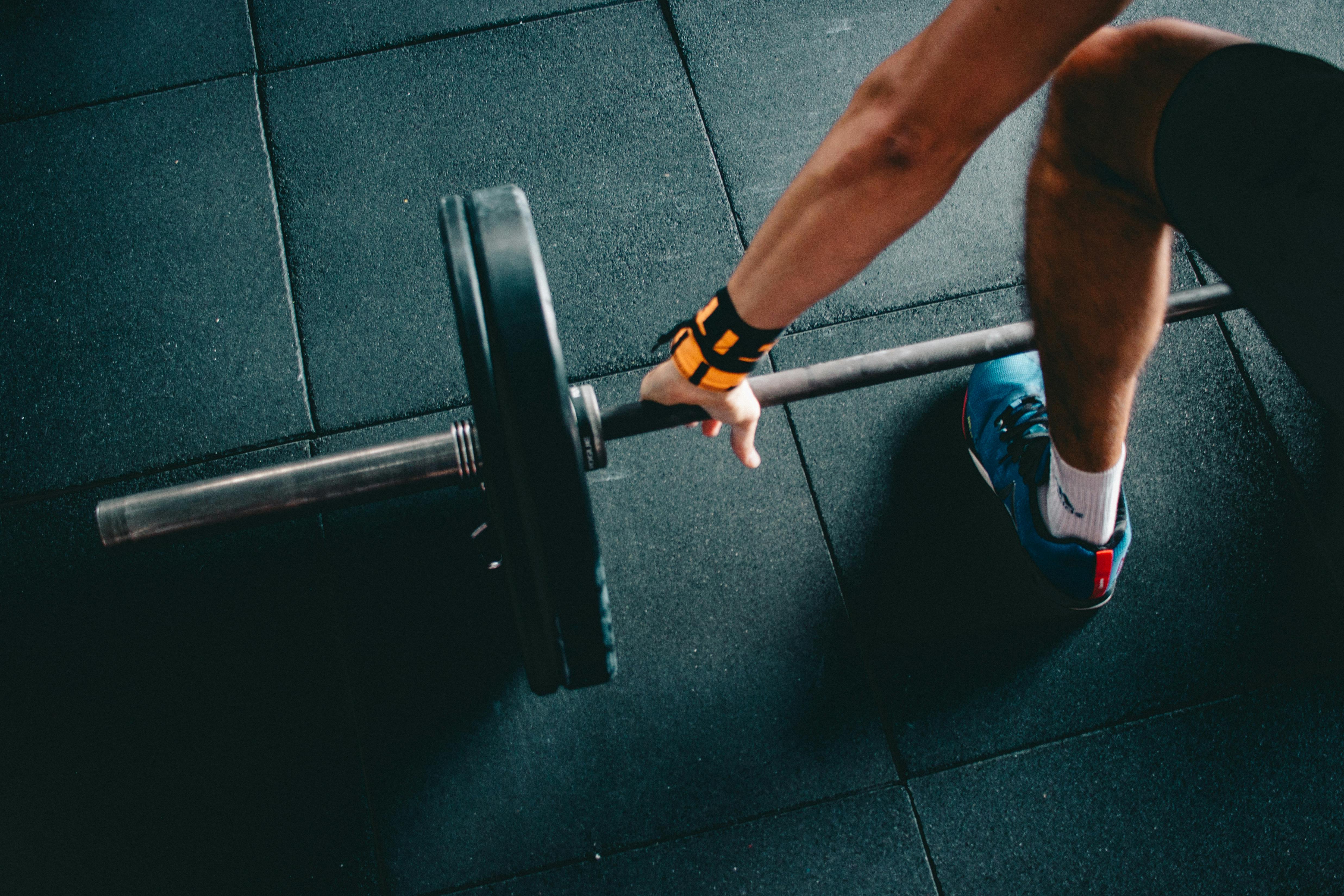
Your wrist is vulnerable to conditions that cause pain. It may be from a medical condition like arthritis, from an injury like a sudden sprain or strain, or from repetitive overuse like participating in sports, gardening or even long work hours behind a computer. One of the helpful strategies for relieving and preventing most types of wrist pains is putting on specially designed wrist supports. Below are a few tips to get yourself fitted with the right wrist guard. For sportsIf you are looking to add extra support to the wrists whilst playing a favourite sport, purchase one that is flexible and light. Keep in mind that broken bones, major strains, and sprains shouldn’t be treated using light and flexible wrist guards and need enough time to heal and proper medical attention. For recovery and injuryHeavier braces are normally recommended if you are recovering from an injury. The larger and sturdier wrist supports are adjustable and so they accommodate swelling in the injured or affected area. Go for a brace that has a splint since it helps keep the wrist in a more stable position. For chronic wrist and hand conditionsPurchasing the right guard for chronic conditions will depend on that condition, which you are using it for. This is the reason why braces range in support from maximum to mild. SummaryDon’t ignore nagging injuries that can gradually become more serious. And if you sustain an injury, consider taking the proper steps towards healing up. A wrist support is an excellent way to solve these issues. Find the right wrist support and use it. While wrist supports have proven to be functional or effective in managing and treating common wrist complaints, it is always wise to seek medical help in order to find the best treatment. |
Frequently asked questions
What type of wrist support should I use for sports?▼
For sports activities, choose a flexible and lightweight wrist support that allows comfortable movement. However, for serious injuries like broken bones or major sprains, heavier braces with proper medical attention are necessary for adequate healing.
Which wrist support is best for injury recovery?▼
Heavier and sturdier wrist braces are recommended for injury recovery. Look for adjustable options that accommodate swelling and include a splint to keep your wrist stable during the healing process.
Can wrist supports help with chronic conditions?▼
Yes, wrist supports can help manage chronic wrist and hand conditions. The right brace depends on your specific condition, with options ranging from mild to maximum support levels available.
What causes wrist pain and vulnerability?▼
Wrist pain can result from medical conditions like arthritis, injuries such as sprains or strains, or repetitive overuse from sports, gardening, and long hours at a computer.
Should I see a doctor before using a wrist support?▼
Yes, it's always wise to seek medical help to determine the best treatment for your specific wrist condition. While wrist supports are effective for managing common complaints, professional guidance ensures proper care.