
|
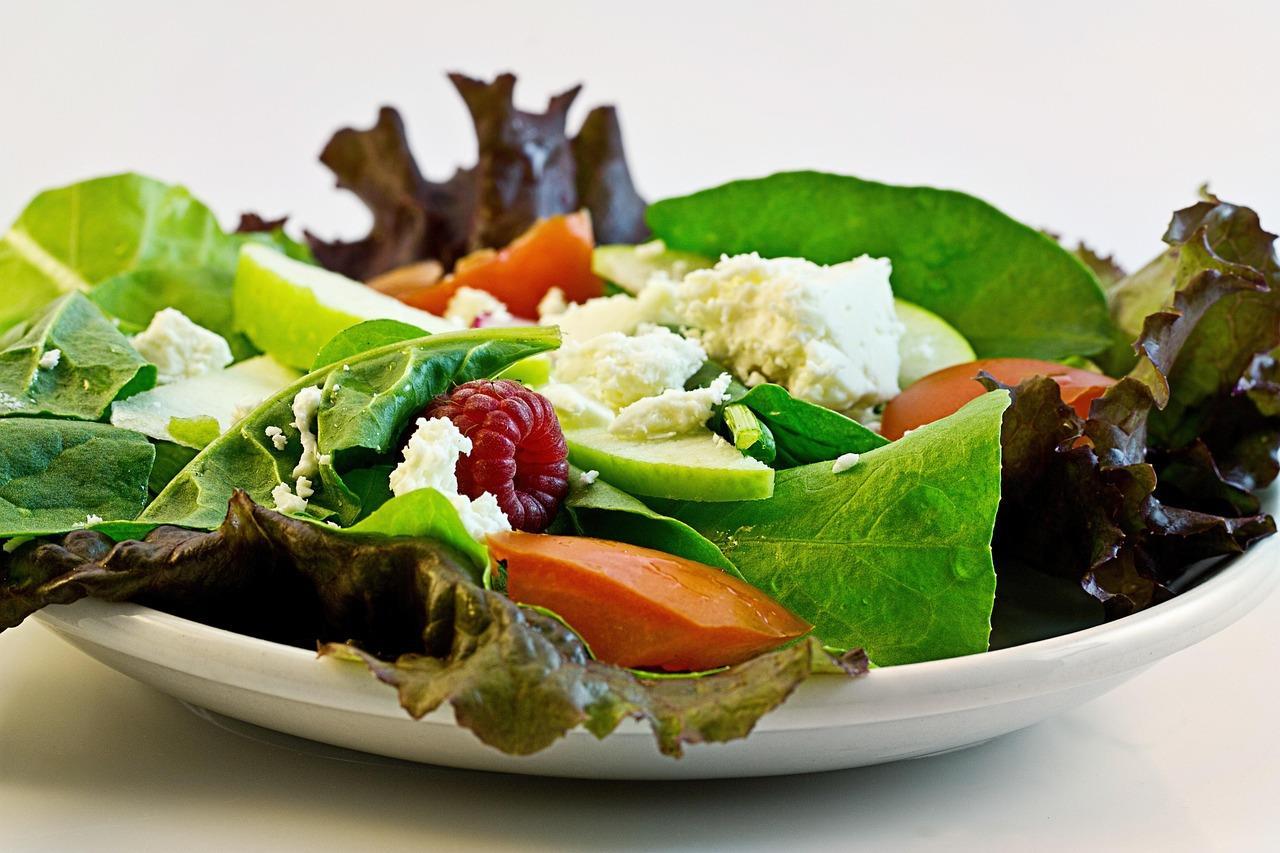
Insulineresistentie kan ingewikkeld klinken, maar in de praktijk begint begeleiding vaak bij gewone eetmomenten. Veel mensen zoeken dan naar duidelijke informatie, maar willen vooral weten wat ze morgen anders kunnen doen. Een goed advies begint daarom niet bij strenge regels, maar bij inzicht in eetmomenten, klachten, voorkeuren en haalbaarheid. Voor mensen in Halfweg, Amsterdam en Haarlem is het prettig wanneer voedingsadvies aansluit op het dagelijks ritme. Wie zoekt naar insulineresistentie aanpakken, zoekt meestal houvast dat zorgvuldig voelt en geen overdreven beloftes doet. Dat vraagt om een persoonlijke aanpak met ruimte voor nuance. Wat gebeurt er gedurende de dag?De eerste stap is kijken naar patronen. Wanneer ontstaan trek, vermoeidheid, hoge of lage energie, onzekerheid of lastige keuzes? Onregelmatig eten, weinig vezels en veel snelle energie kunnen het lastig maken om stabiele keuzes te houden. Door dit concreet te maken wordt duidelijk welke gewoonte het meeste aandacht verdient. Daarbij gaat het niet om perfect eten. Juist kleine aanpassingen werken vaak beter dan een volledig nieuw schema. Denk aan een steviger ontbijt, een lunch met meer eiwit en vezels, of een avondmaaltijd die beter vult en minder impulsieve keuzes uitlokt. Meer grip met maaltijdopbouwEen praktische aanpak kijkt naar de opbouw van maaltijden. Groente, volkoren producten, eiwitrijke onderdelen, gezonde vetten en voldoende vocht kunnen samen zorgen voor meer verzadiging en rust. Een combinatie van groente, volkoren producten, eiwit en gezonde vetten kan helpen om langer verzadigd te blijven. De juiste verdeling verschilt per persoon. Ook timing speelt mee. Sommige mensen eten overdag te weinig en krijgen later sterke trek. Anderen kiezen snel iets tussendoor omdat werk, gezin of afspraken de dag bepalen. Door eetmomenten bewust te plannen, wordt voeding minder afhankelijk van wilskracht. Samenhang met waardenBij gezondheidsthema’s is zorgvuldigheid belangrijk. Voeding kan ondersteunen, maar vervangt geen medische beoordeling, medicatieadvies of overleg met huisarts, verloskundige of specialist. Bloeddruk, cholesterol en bloedsuiker vragen zorgvuldige interpretatie binnen de medische begeleiding. Een diëtist kan helpen om informatie praktisch te vertalen. Metingen, klachten of eerdere ervaringen zijn daarbij waardevol. Ze geven richting aan het gesprek, zonder dat een enkele waarde alles bepaalt. Het gaat om de combinatie van lichaam, leefstijl, voorkeuren, voorgeschiedenis en wat iemand realistisch kan volhouden. Kleine stappen herhalenIn de regio Halfweg, Amsterdam en Haarlem is bereikbaarheid vaak belangrijk. Een afspraak die goed past in de week maakt opvolging makkelijker. Voor inwoners van Halfweg kan opvolging helpen om adviezen te blijven aanpassen aan echte weken. Daardoor blijft begeleiding niet bij een eenmalig advies, maar kan er worden bijgesteld wanneer het dagelijks leven verandert. Ook boodschappen, budget, cultuur, gezin en werkrooster horen bij voedingsadvies. Een plan dat daar geen rekening mee houdt, blijft vaak op papier goed maar werkt minder goed in de praktijk. Daarom is de vertaling naar gewone dagen essentieel. Persoonlijk advies maakt het concreetPersoonlijke begeleiding maakt het verschil tussen algemene tips en keuzes die echt passen. Samen wordt gekeken welke stap prioriteit heeft, wat al goed gaat en waar winst zit zonder onnodige strengheid. Een persoonlijk plan voorkomt dat iemand verdwaalt in losse regels. Zo ontstaat een aanpak die rustiger voelt. Niet omdat alles meteen opgelost is, maar omdat iemand begrijpt welke keuzes invloed hebben en hoe die keuzes in de eigen week passen. Dat maakt volhouden realistischer. Een haalbare aanpak begint meestal klein: vaste boodschappen, duidelijke eetmomenten en keuzes die passen bij werk, gezin en energie. Daardoor wordt voedingsadvies minder theoretisch en beter toepasbaar in gewone weken. Een haalbare aanpak begint meestal klein: vaste boodschappen, duidelijke eetmomenten en keuzes die passen bij werk, gezin en energie. Daardoor wordt voedingsadvies minder theoretisch en beter toepasbaar in gewone weken. Een haalbare aanpak begint meestal klein: vaste boodschappen, duidelijke eetmomenten en keuzes die passen bij werk, gezin en energie. Daardoor wordt voedingsadvies minder theoretisch en beter toepasbaar in gewone weken. ConclusieInsulineresistentie vraagt om haalbare stappen die passen bij het hele leefstijlplaatje. Met zorgvuldig, persoonlijk voedingsadvies wordt de stap van weten naar doen kleiner, zonder garanties of spammy herhaling. |
| https://www.dietistmandybreure.nl/metabool-syndroom |
Frequently asked questions
Why is product sourcing in China about more than just cost reduction?▼
Effective sourcing goes beyond finding the cheapest supplier. It involves tailored solutions that align with your product vision, technical requirements and cultural nuances. A strategic partner helps refine your product from concept to market, ensuring quality and originality rather than settling for off-the-shelf solutions.
How does collaborative product sourcing differ from transactional buying?▼
Collaborative sourcing involves real co-creation with local expertise and embedded purchasing process support. Rather than simply connecting buyers to suppliers, it includes on-site coordination, material selection, prototyping and hands-on optimization to align development timelines with production capabilities.
What role does local presence play in China sourcing?▼
Local presence enables real-time sampling feedback, detailed tech-pack iterations and hands-on product optimization. It allows teams to monitor production milestones, document adjustments and bridge the gap between your initial concept and final execution throughout the manufacturing process.
How can purchasing process support improve my product development?▼
Purchasing process support monitors every phase from material selection to final adjustments, creating an improvement cycle that aligns your specifications with supplier capabilities. This ensures consistent quality, timely delivery and continuous optimization based on real-world production feedback.
What advantages does combining European standards with Chinese production offer?▼
This combination delivers product sourcing solutions that maintain high quality standards while leveraging cost-effective manufacturing capabilities. Strategic collaboration between European expertise and Chinese production strength creates a scalable advantage that prevents compromising on originality or quality.